Urban vs. Suburban vs. Rural Property Value: Real Estate Location Guide
Location impacts property values through land scarcity, access to employment centers, and local school district quality. In North Tarrant County, suburban markets like Southlake (zip code 76092) offer higher square-footage value and larger lot sizes compared to dense urban cores like downtown Dallas or Fort Worth, while maintaining convenient access to regional commerce hubs.
Comparing Suburban Living with Nearby Markets?
Explore luxury suburban homes in Southlake and nearby North Tarrant County communities with top-rated schools and expansive lots.
Feature / Metric | Urban Core (e.g., Downtown Dallas) | Suburban Luxury (e.g., Southlake, TX) |
|---|---|---|
Price Per Sq. Ft. | High premium for floor level and proximity | Balanced with larger interior living footprints |
Typical Lot Size | Zero lot line, high-rise condos, or minimal yard space | 0.5 to 1.5+ acres in luxury master-planned areas |
School System Access | Mix of private schools and public magnet programs | Top-rated public districts (e.g., Carroll ISD) |
Commute & Accessibility | Walkable to corporate offices and public transit | 10-15 minute drive to DFW Airport and business hubs |
Lifestyle Focus | Nightlife, culture, walkability, and high density | Privacy, community parks, spacious outdoor living |
Our Pick For | Young professionals and turn-key urban dwellers | Families and luxury buyers seeking space and elite schools |
In the dynamic world of real estate, the adage “location, location, location” stands as an enduring truth. The value of a property is profoundly influenced by its surroundings, and the choice between urban, suburban, and rural locales can significantly impact both investment potential and lifestyle preferences. Exploring the distinct characteristics and implications of each setting clarifies how location dictates long-term market appreciation and living conditions across North Texas.
Key Differences Across Location Types
Urban Oases: Density and High Demand
Urban areas are bustling hubs of activity, offering access to amenities, entertainment, and major corporate headquarters. The allure of city living translates into elevated property values, driven by demand for convenience, connectivity, and proximity to dining establishments, public transportation, and culture.
Limited land availability in urban centers intensifies competition for properties, contributing to strong appreciation over extended holding periods. However, this high-demand environment comes with higher acquisition costs per square foot, limited private green space, higher ongoing costs, and elevated noise levels.
- Location Profile: High-density urban centers (e.g., Downtown Dallas, Uptown Fort Worth)
- Distance: Central urban business districts
- Property Characteristics: High-rise condominiums, townhomes, mid-rise urban lofts
- Primary Value Driver: Walkability to financial centers, cultural districts, and transit hubs
Suburban Serenity: Space, Family Amenities, and Value
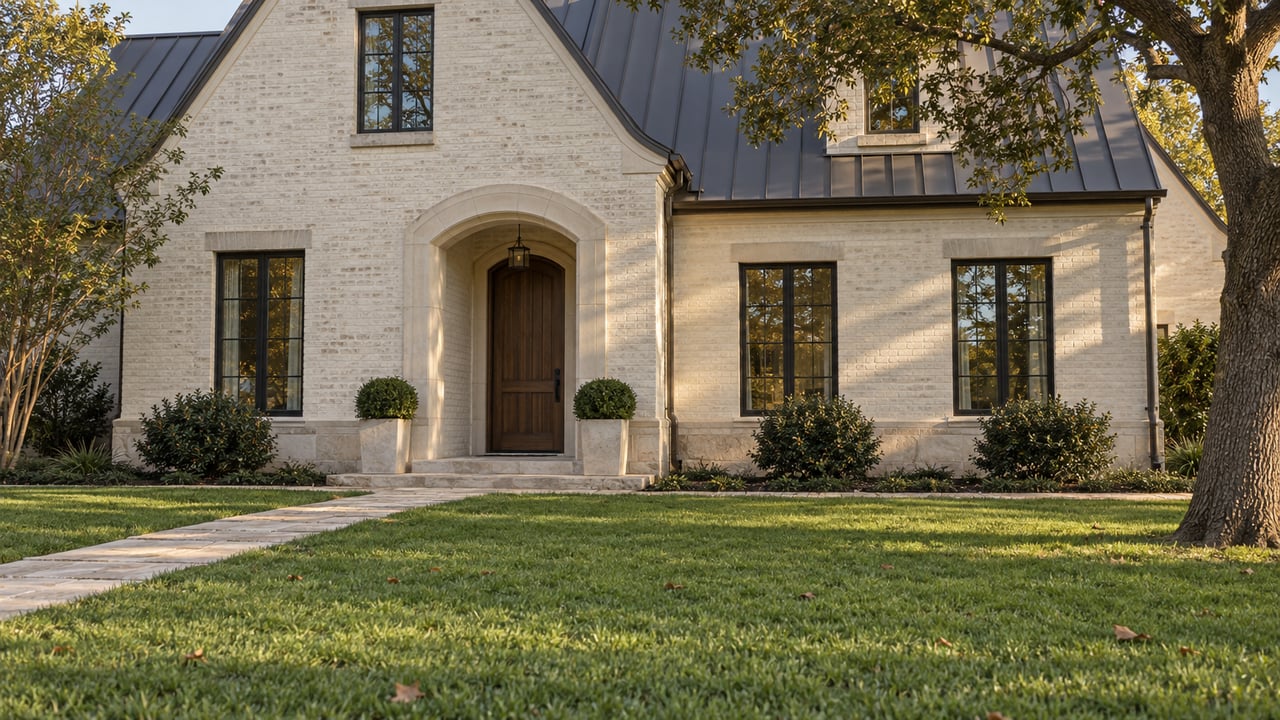
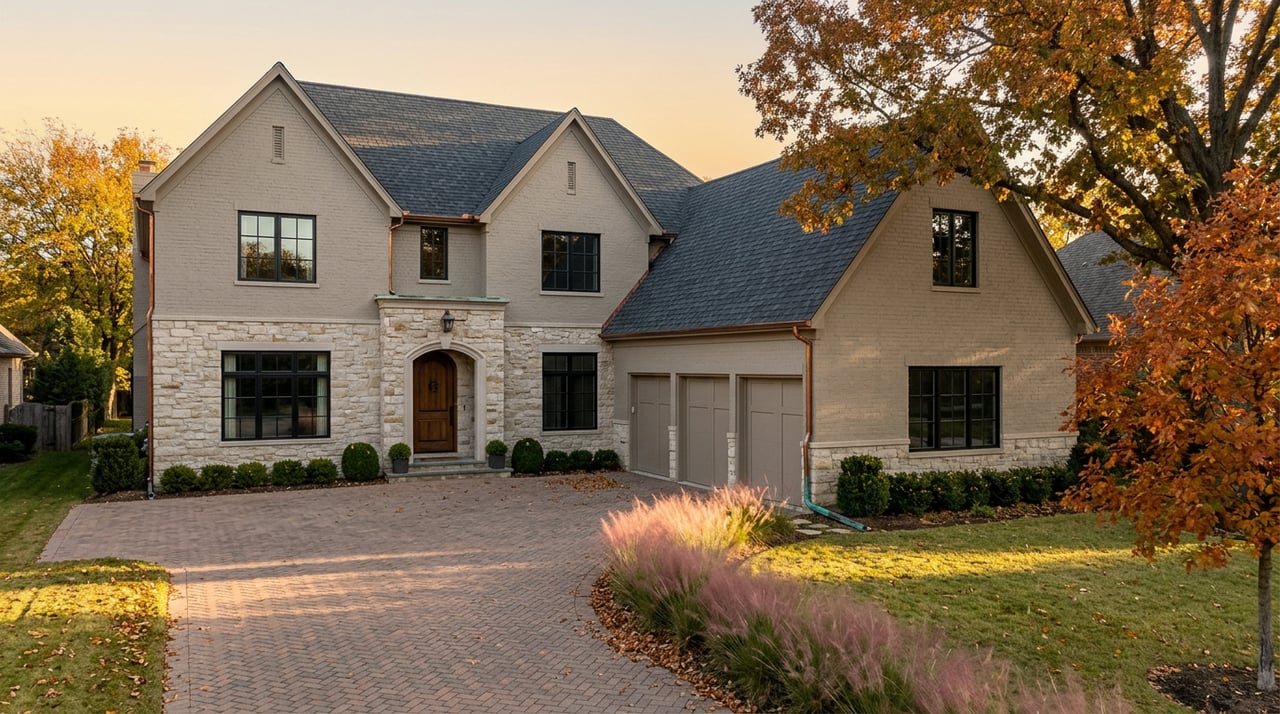
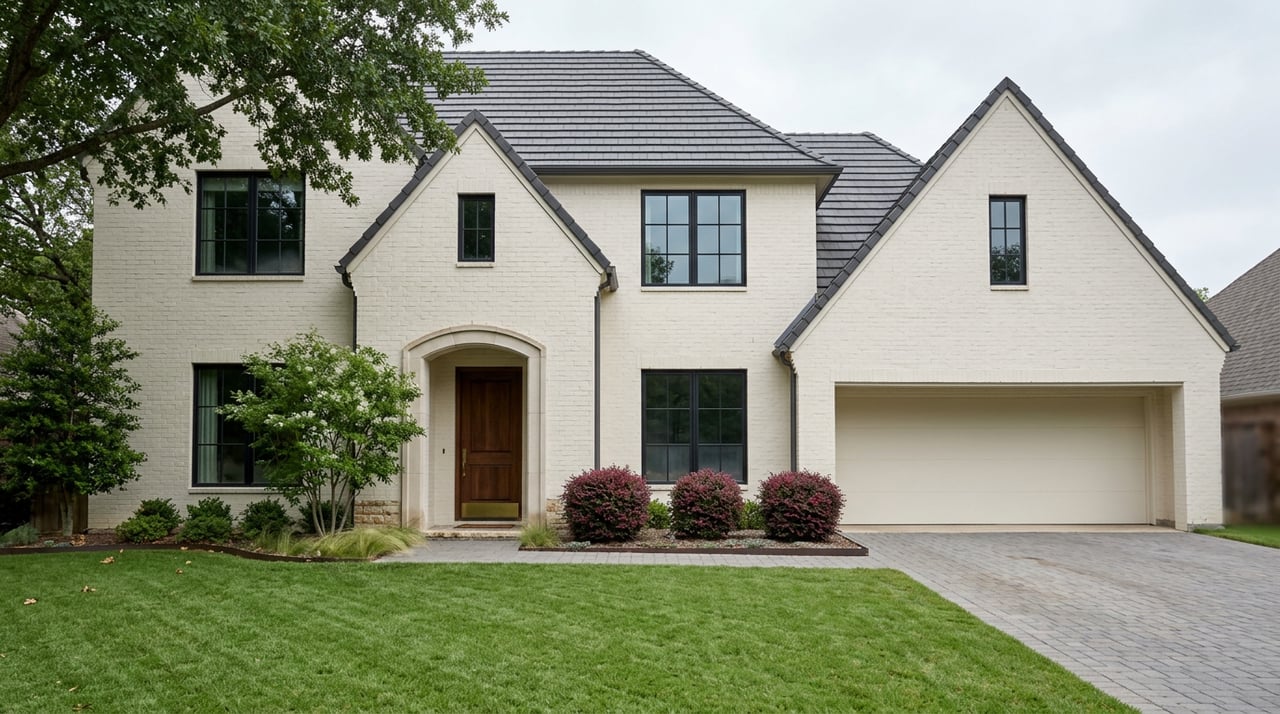
Suburbs strike a balance between urban vibrancy and rural tranquility, catering to individuals seeking a spacious, family-friendly environment without sacrificing access to metropolitan employment nodes. Suburban communities like Southlake, TX feature custom single-family homes, exemplary school districts like Carroll ISD, and neighborhood park infrastructure.
The appeal of suburban living lies in providing a relaxed lifestyle alongside convenient driving routes to urban centers for work and leisure. Suburban real estate offers substantially more square footage and private yard space for the price compared to urban counterparts, making it a favored choice for buyers prioritizing land and home size.
- Location Profile: Master-planned luxury suburban communities (e.g., Southlake, Westlake)
- Distance: 15–25 miles from major urban downtown cores
- Property Characteristics: Single-family custom estates, 0.5+ acre lots, private pools
- Primary Value Driver: Exemplary public school districts, safety, and community infrastructure
Rural Retreats: Privacy, Acreage, and Acreage Value Factors
Rural properties offer peace, privacy, and natural surroundings, serving as a retreat from dense metropolitan centers. Featuring expansive land parcels, rural real estate appeals to buyers seeking lower population density, agricultural opportunities, and open space.
While rural properties provide larger land holdings at lower entry price points per acre, their long-term value is tied to municipal infrastructure access, utility connectivity, and road maintenance. Greater distances from employment centers and retail amenities can influence resale timelines compared to suburban properties.
- Location Profile: Unincorporated county lands and rural acreage enclaves
- Distance: 35+ miles from major metropolitan business centers
- Property Characteristics: Agricultural land, ranches, standalone custom homes on multi-acre tracts
- Primary Value Driver: Acreage volume, privacy, absence of restrictive municipal zoning
Navigating Location Choices in North Tarrant County
Understanding the impact of location on property value is essential when evaluating real estate across North Texas. While urban properties command premiums for walkability and convenience, suburban communities like Southlake, Westlake, and Colleyville provide significant advantages in lot size, estate footprint, and school performance.
Selecting the right location depends on lifestyle requirements, long-term financial objectives, and commute preferences. Evaluating land scarcity, municipal growth patterns, and regional economic trends ensures that property decisions align with personal priorities and wealth preservation strategies.
Source Note: Market structure, location dynamics, and property characteristics synthesized from real estate valuation principles and North Texas regional housing data.
About the Author & Suburban Real Estate Specialists
Randy White is the Founder and Principal Broker of Randy White Real Estate Services, providing real estate guidance in Southlake and North Tarrant County for over 30 years. Licensed by the Texas Real Estate Commission (TREC #0363548), Randy has guided clients through various real estate cycles across luxury North Texas markets.
For detailed insight on suburban property values or market conditions in Southlake, TX, review current Southlake real estate listings or contact our team directly.
Frequently Asked Questions
How does location affect property appreciation over time?
Location drives long-term appreciation primarily through land supply constraints, localized job growth, and school district reputation. Areas with limited buildable land and high demand, such as top suburban school districts, historically experience steady home value retention.
Why do suburban properties often offer better value per square foot than urban homes?
Suburban developments benefit from greater historical land availability compared to dense urban cores. This allows home builders to construct larger residential footprints and incorporate expansive private yards at a lower land cost per square foot.
What factors should buyers evaluate when choosing between suburban and rural properties?
Buyers should evaluate commute times to work centers, proximity to grocery and healthcare services, availability of public utilities (such as municipal water and sewer vs. septic systems), and the long-term rating of the local school district.