If you are deciding between Fort Worth’s urban core and the nearby suburbs, the best choice often comes down to one thing: how you want your everyday routine to work. Some buyers want coffee shops, dining, and transit within easier reach, while others prefer more space, a quieter driving-first setup, and nearby parks or trails. This guide will help you compare Fort Worth, Keller, North Richland Hills, and Southlake so you can focus on the lifestyle fit that matters most to you. Let’s dive in.
Fort Worth Urban Living at a Glance
Fort Worth’s urban core offers a more mixed-use and transit-connected lifestyle than most nearby suburban areas. Downtown, Near Southside, the Texas A&M downtown campus area, much of West 7th, and several historic neighborhoods all sit within the city’s Central Division.
The city describes downtown as a walkable, mixed-use center that becomes more entertainment-oriented after business hours. Fort Worth is also working to make walking safer and more convenient through its Walk Fort Worth plan. If you want a routine that includes more time on foot and less time in the car, that can be a meaningful advantage.
Near Southside stands out as one of the clearest urban-residential options in Fort Worth. The city describes it as a pedestrian-oriented mixed-use district with early-1900s single-family homes, renovated historic apartments, and newer townhome and loft choices.
If you are drawn to character, Fairmount adds another layer to the conversation. It is one of Fort Worth’s historic neighborhoods and is known for Craftsman bungalows, which can appeal to buyers who want architectural style and a more established setting.
Nearby Suburbs Offer More Than One Lifestyle
It helps to avoid thinking of every suburb as the same. Keller, North Richland Hills, and Southlake all lean more car-oriented than central Fort Worth, but each has its own town-center feel, park system, and lifestyle rhythm.
Keller highlights Old Town Keller, Keller Town Center, and a parks-and-trails network anchored by Big Bear Creek. That means your day-to-day life may still include nearby gathering spots and outdoor access, even if most errands happen by car.
North Richland Hills offers a more hybrid setup. The city emphasizes more than 800 acres of parkland, 30 miles of trails, and TEXRail service, and it has a transit-oriented mixed-use code around the Iron Horse and Smithfield rail areas.
Southlake centers much of its civic and retail life around Southlake Town Square. The city also points to parks, trails, and a mobility plan that combines sidewalks, pathways, and thoroughfares into one system.
Daily Routine Matters Most
The biggest difference between urban Fort Worth and nearby suburbs is not just location. It is the way your daily life feels once you move in.
If you choose downtown Fort Worth or Near Southside, you may be able to handle more of your routine on foot, with transit, or with shorter drives. That can be appealing if you want easier access to restaurants, entertainment, and a more active street environment.
If you choose Keller, North Richland Hills, or Southlake, your routine will likely be more car-based. In return, you may get a different housing mix, more traditional suburban street patterns, and strong access to parks, trails, and local centers.
A helpful way to frame the choice is to ask yourself a few simple questions:
- Do you want to walk to more of your daily destinations?
- Would rail access or a central transit hub improve your routine?
- Are you comfortable maintaining a yard and exterior spaces?
- Do you prefer a condo, townhome, historic home, or detached suburban house?
- Would you rather trade some walkability for more space and a driving-first layout?
Housing Options and Price Differences
Fort Worth is the largest and broadest housing market in this comparison. According to U.S. Census QuickFacts, Fort Worth had 918,915 residents in 2020, a 57.0% owner-occupied housing rate, a median owner-occupied home value of $303,000, and a median gross rent of $1,509.
Those figures suggest a market with a wider mix of renters and owners, along with more varied home types. In practical terms, that can mean more options across condos, historic homes, apartments, and entry-level purchase opportunities.
Keller shows a different pattern. It has 45,776 residents, an 83.5% owner-occupied rate, a median owner-occupied value of $594,300, and a median gross rent of $2,144.
North Richland Hills sits somewhere in the middle. It has 69,917 residents, a 63.5% owner-occupied rate, a median owner-occupied value of $360,700, and a median gross rent of $1,704.
Southlake is the highest-priced market in this group. It has 31,265 residents, a 94.6% owner-occupied rate, a median owner-occupied value of $1,014,500, and median gross rent above $3,500.
These numbers point to four distinct market profiles:
- Fort Worth: broader mix of housing types and price points
- Keller: higher-value suburban ownership market
- North Richland Hills: more moderate suburban pricing with some hybrid features
- Southlake: high-value, strongly owner-occupied market
Stability and Neighborhood Patterns
Housing stability can matter when you are thinking about long-term fit and future resale. The share of residents living in the same house one year earlier was 85.7% in Fort Worth, 90.9% in Keller, 87.7% in North Richland Hills, and 89.5% in Southlake.
That suggests fairly stable patterns across the area, with especially strong stability in the suburban markets. While no single number can tell you everything about a neighborhood, it does reinforce that these suburban cities tend to have a more owner-heavy and less renter-heavy profile.
Walkability and Transit Access
Fort Worth citywide is still largely car-dependent, but the urban core performs much better. Walk Score gives Fort Worth an average score of 35, while Downtown scores 66 and some nearby neighborhoods score even higher.
Downtown also has the strongest transit framework in this comparison. Fort Worth Central Station serves as a key hub for buses and rail, and TEXRail and Trinity Railway Express both serve downtown.
That matters if you want a location where transit can play a real role in your routine. Trinity Metro says TEXRail runs from downtown Fort Worth through North Richland Hills and Grapevine to DFW Airport, which gives some buyers a more flexible connection pattern.
The suburbs remain more driving-oriented overall. Walk Score rates Keller at 23, North Richland Hills at 33, and Southlake at 15.
Still, citywide scores do not tell the whole story. Keller Town Center scores 60, some North Richland Hills locations score in the 50s and 60s, and a Southlake Town Square address scores 74. That means you can still find connected pockets in suburban settings, even if the broader routine remains car-first.
Parks, Trails, and Outdoor Access
If outdoor access matters to you, the suburbs bring real strengths. Keller says its trail network is anchored by Big Bear Creek and includes multiple hike-and-bike segments.
North Richland Hills says its trail system includes more than 30 miles of hike-and-bike trails, and the Cotton Belt Trail provides an alternative transportation route through the city. The city also has TEXRail service at Iron Horse and Smithfield stations.
Southlake points to a mobility plan that combines sidewalks, pathways, and thoroughfares, along with parks and trail access. These features can shape your daily quality of life even if you still drive most places.
Commute Times Are Closer Than You Might Think
Many buyers assume suburban living always means a much longer commute. The available numbers do not fully support that idea.
Mean commute times are 27.1 minutes in Fort Worth, 27.4 minutes in Keller, 27.4 minutes in North Richland Hills, and 25.6 minutes in Southlake. The averages are surprisingly close.
That means the bigger issue is often not total commute time. It is whether you want a more transit-usable, errand-light lifestyle or a more traditional driving-first routine.
Maintenance and HOA Tradeoffs
For many buyers, the choice between urban and suburban living also comes down to maintenance. A downtown condo or townhome may offer less yard work and fewer exterior responsibilities than a detached suburban home.
At the same time, condos and HOA communities bring their own rules and costs. Research in the report notes that condo or HOA dues are usually separate from the mortgage, and associations are typically responsible for common areas and community rules.
If you are considering a condo, townhome, or HOA-managed property, it is wise to look closely at:
- Monthly dues
- Reserve funds
- Special-assessment risk
- Insurance coverage
- Deferred maintenance
- The overall physical condition of the project
These details matter both for your ownership experience and for financing. Lenders often review HOA financial stability, insurance, and maintenance conditions closely for condo loans.
Historic Areas Need Extra Thought
Some of Fort Worth’s most appealing urban-core areas also come with more design oversight. The downtown district requires review for many exterior alterations through the Downtown Design Review Board.
Fort Worth’s historic-preservation program also exists to conserve the architectural character of designated historic neighborhoods. If you love older homes and established architecture, that can be part of the appeal.
Still, it is important to understand what future repairs, additions, or exterior changes may require approval. A historic home can be a great fit if you value character and are comfortable with the added planning that may come with it.
Which Setting Fits You Best?
There is no universal winner between Fort Worth urban living and nearby suburbs. The right answer depends on your priorities, budget, maintenance preferences, and how you want your week to function.
A downtown condo or Near Southside home may fit you best if you want walkability, transit access, mixed-use surroundings, and lower yard maintenance. A historic neighborhood may make sense if you want architectural character and are ready for the responsibilities that can come with older homes and preservation rules.
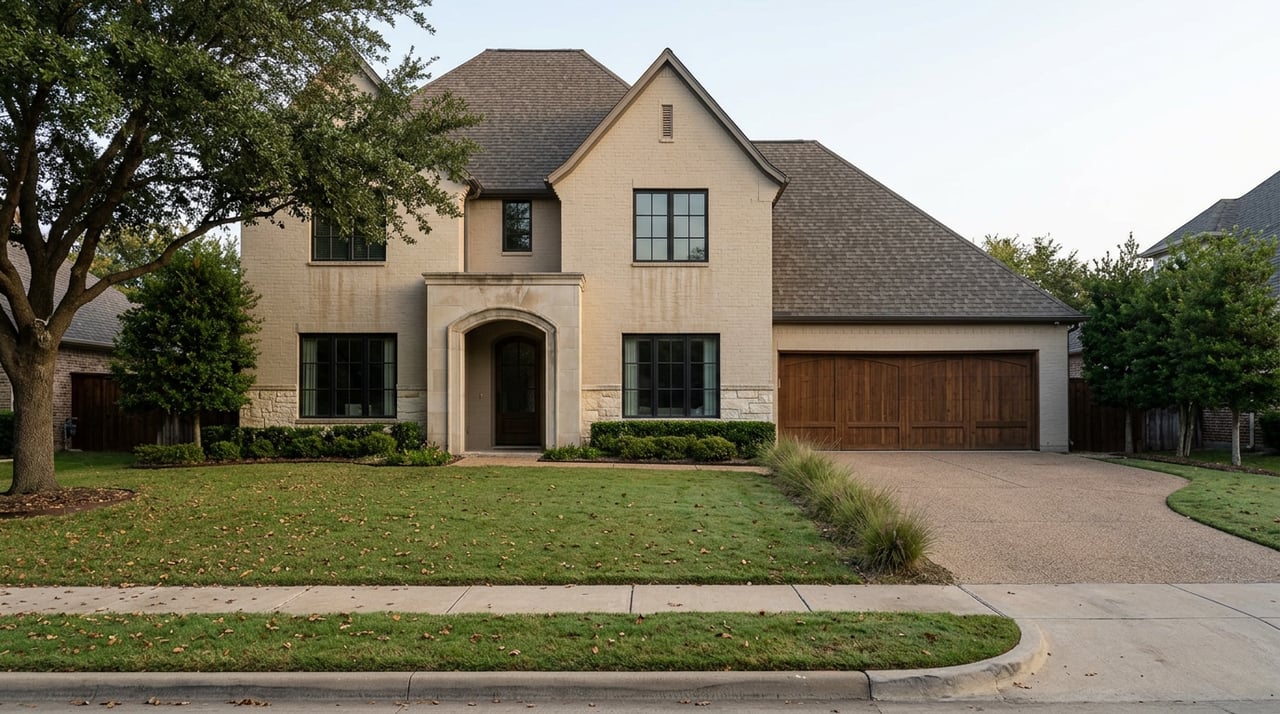
A suburban home in Keller, North Richland Hills, or Southlake may be the better choice if you are comfortable with a car-oriented routine but still want parks, trails, and town-center amenities nearby. You are not simply choosing between city and suburb. You are choosing the version of daily life that feels most natural to you.
Whether you are comparing Fort Worth, Keller, North Richland Hills, or Southlake, local guidance can make the decision clearer. Randy White Real Estate Services offers personalized support for buyers and sellers across Northeast Tarrant County and nearby DFW communities, with the kind of local insight that helps you match the home to the lifestyle.
FAQs
What is the main difference between Fort Worth urban living and nearby suburbs?
- The main difference is usually your daily routine. Fort Worth’s urban core offers more walkable and transit-connected areas, while nearby suburbs like Keller, North Richland Hills, and Southlake tend to be more car-oriented with parks, trails, and town-center amenities.
Is downtown Fort Worth more walkable than Keller, North Richland Hills, or Southlake?
- Yes. Walk Score rates Fort Worth overall at 35, but Downtown scores 66. Suburban citywide scores are lower, although places like Keller Town Center and Southlake Town Square have more walkable pockets.
Which area has the most transit access near Fort Worth?
- Downtown Fort Worth has the strongest transit setup in this comparison, with Fort Worth Central Station serving buses and rail, including TEXRail and Trinity Railway Express. North Richland Hills also stands out because TEXRail serves Iron Horse and Smithfield stations.
Are home prices higher in Southlake than in Fort Worth or North Richland Hills?
- Yes. U.S. Census QuickFacts shows a median owner-occupied home value of $1,014,500 in Southlake, compared with $303,000 in Fort Worth and $360,700 in North Richland Hills.
Is North Richland Hills more urban or suburban?
- North Richland Hills is still suburban overall, but it has some hybrid features. The city has transit-oriented mixed-use planning around rail stations, more than 30 miles of trails, and TEXRail access, which sets it apart from a more typical low-density suburb.
Should I choose a condo in Fort Worth or a detached home in the suburbs?
- That depends on your lifestyle and maintenance preferences. A condo may offer lower exterior maintenance and better access to walkable areas, while a detached suburban home may offer a different space and upkeep tradeoff. Reviewing HOA dues, reserve funds, insurance, and project condition is important when comparing condo options.